The Evolution of Leather: From Ancient Times to Modern Fashion
Introduction
Leather is one of the oldest materials known to humans. It’s been used for thousands of years, from ancient civilizations to modern fashion runways. But have you ever wondered how leather became so popular? Or why it’s still a favorite material today? In this blog post, we’ll take you on a journey through the evolution of leather, from its humble beginnings to its place in enmodern fashion. Whether you’re curious about the history of leather, its types, or how to care for it, we’ve got you covered. Let’s dive in!
1. The Ancient Beginnings of Leather
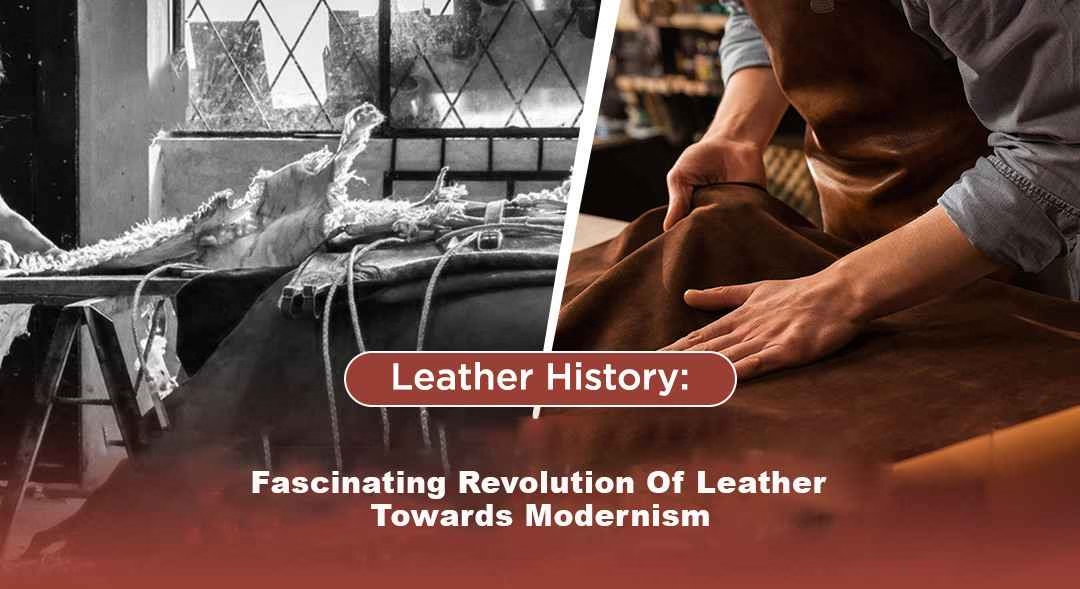
Leather has been around for a very, very long time. In fact, it’s one of the first materials humans ever used. Ancient people discovered that animal hides could be turned into durable clothing, shoes, and shelters. They didn’t have fancy tools back then, so they used simple methods like drying and smoking to preserve the hides.
- Why Was Leather So Important?
Leather was tough, flexible, and could protect people from the weather. It was perfect for making clothes, bags, and even tents. Imagine living in a time without modern fabrics—leather was a lifesaver! - Cultural Significance
Different cultures used leather in unique ways. For example, Native Americans made moccasins from soft leather, while ancient Egyptians used it for sandals and armor. Leather wasn’t just practical—it was also a symbol of status and skill.
Leather’s journey is a testament to human ingenuity. From the earliest days of civilization, when our ancestors first discovered that animal hides could be transformed into durable materials, to the modern era where leather is a symbol of luxury and style, its story is rich and fascinating. In ancient times, leather was not just a material—it was a necessity. People relied on it for survival, using it to create clothing that could withstand harsh weather, footwear that protected their feet, and even shelters that provided safety and comfort. Over time, as societies evolved, so did the uses of leather. It became a symbol of status and craftsmanship, with different cultures developing their own unique techniques and styles.
2. The Middle Ages: Leather Gets an Upgrade
As time went on, people got better at making leather. During the Middle Ages, leather tanning became a skilled craft. Tanners used natural materials like tree bark to soften and preserve the hides. This process, called vegetable tanning, made leather even more durable and versatile.
- Leather in Everyday Life
Leather was everywhere! It was used for shoes, belts, bags, and even book covers. In fact, some of the oldest books in the world are bound in leather. It was also a key material for soldiers, who relied on leather armor and saddles. - The Rise of Leather Guilds
Leatherworkers formed guilds to protect their trade secrets and maintain high standards. These guilds were like early versions of today’s unions, and they helped make leatherworking a respected profession.
3. The Industrial Revolution: Leather Goes Global
The Industrial Revolution changed everything. Machines made it faster and cheaper to produce leather, and new tanning methods were developed. One of these methods, chrome tanning, used chemicals to speed up the process. This made leather more affordable and accessible to everyone.
- Leather in Fashion
During this time, leather started to become a fashion statement. People loved the look and feel of leather jackets, gloves, and boots. It was no longer just a practical material—it was stylish too! - The Birth of Iconic Leather Products
Some of the most famous leather products were created during this era. For example, the leather jacket became a symbol of rebellion and coolness, thanks to movies and celebrities.
4. Modern Leather: Innovation and Sustainability
Today, leather is more popular than ever, but it’s also facing new challenges. People are concerned about the environmental impact of leather production, and they’re looking for sustainable alternatives.
- Types of Leather
There are many types of leather today, including:- Genuine Leather: Made from real animal hides, it’s durable and high-quality.
- Faux Leather: A synthetic alternative that looks like leather but is made from plastic.
- Sustainable Leather: Eco-friendly options made from recycled materials or using less harmful tanning methods.
- Why Leather is Still Popular
Leather is loved for its durability, versatility, and timeless appeal. It’s used in everything from luxury handbags to car seats. Plus, with proper care, leather products can last for decades. - The Future of Leather
The leather industry is evolving to meet modern demands. Brands are exploring new ways to make leather more sustainable, like using plant-based tanning methods or creating leather from mushrooms.
The history of leather shows how this material has adapted to the changing times. From ancient shelters to modern fashion runways, leather has always been a part of human life. Today, leather continues to captivate us. Its timeless appeal lies in its ability to blend functionality with beauty. Whether it’s a sleek leather jacket that adds an edge to your outfit, a luxurious leather handbag that exudes elegance, or a durable leather sofa that becomes the centerpiece of your living room, leather has a way of making a statement. As we move forward, the leather industry is embracing innovation and sustainability. With the rise of eco-friendly practices and the growing popularity of vegan leather, the future of leather looks promising. It’s a material that has adapted to the changing times, and its story is far from over.
5. How to Care for Leather Products
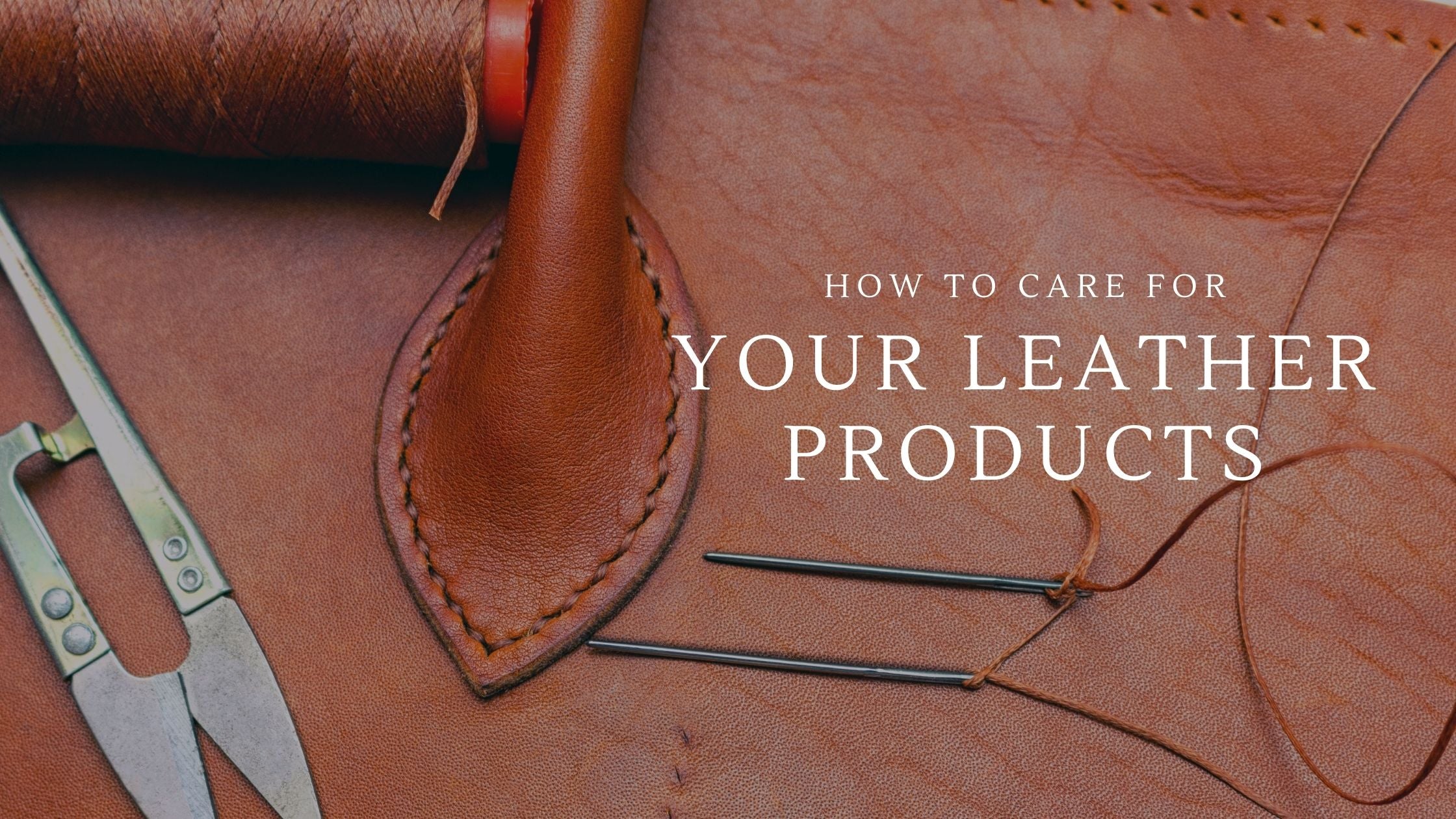
One of the reasons leather has stood the test of time is because it’s easy to care for. Here are some simple tips to keep your leather items looking great:
- Clean Regularly: Use a soft cloth to wipe away dirt and dust.
- Condition: Apply a leather conditioner to keep it soft and prevent cracks.
- Store Properly: Keep leather items in a cool, dry place away from direct sunlight.
- Waterproof: Use a waterproofing spray to protect leather from rain and spills.
6. Leather in Modern Fashion
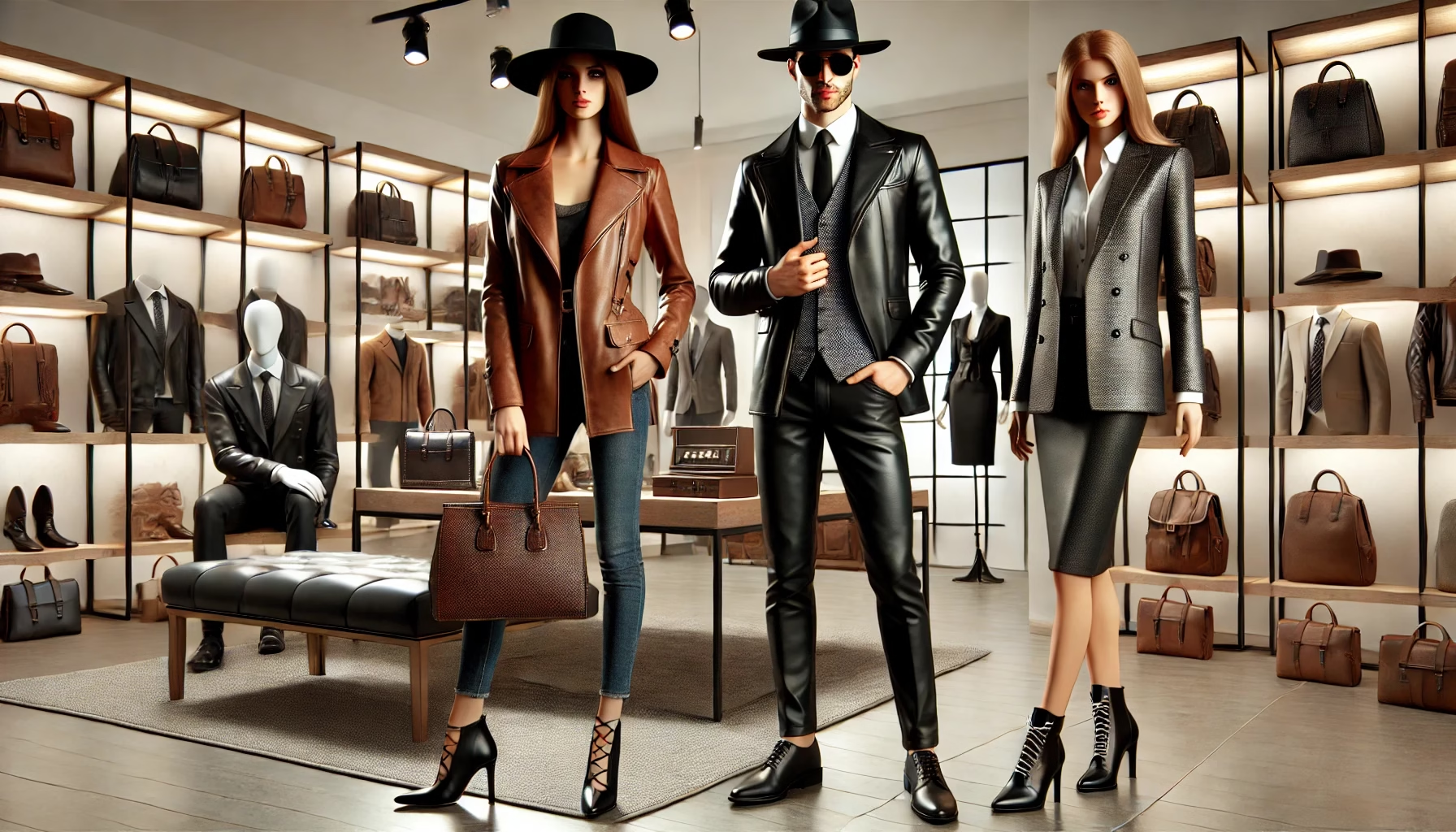
Leather is still a fashion favorite today. Designers use it to create everything from sleek jackets to trendy bags. It’s a material that never goes out of style.
- Leather Trends in 2025
This year, leather is all about bold colors, unique textures, and sustainable options. Vegan leather is especially popular, as more people look for cruelty-free alternatives. - How to Style Leather
Leather is incredibly versatile. You can dress it up with a fancy outfit or keep it casual with jeans and a t-shirt. The possibilities are endless!
7. Frequently Asked Questions (FAQs)
Q1: What is the oldest use of leather?
A: The oldest known use of leather dates back to around 4000 BCE, when it was used for clothing and shelters.
Q2: Is leather eco-friendly?
A: Traditional leather production can have a big environmental impact, but sustainable options are becoming more common.
Q3: How can I tell if leather is genuine?
A: Genuine leather has a unique texture and smell. It’s also more durable than faux leather.
Q4: Can leather be recycled?
A: Yes! Leather can be recycled into new products, like bags or furniture.
Q5: What’s the difference between leather and vegan leather?
A: Leather is made from animal hides, while vegan leather is made from synthetic or plant-based materials.
Conclusion
The history of leather is a fascinating journey that spans thousands of years. From its humble beginnings as a survival material to its current status as a fashion icon, leather has always been a part of human life. Whether you’re a history buff, a fashion lover, or just curious about leather, we hope this blog post answered all your questions. Leather isn’t just a material—it’s a story of human innovation and creativity. So next time you put on your favorite leather jacket or carry a leather bag, remember the incredible journey it’s been on.
So, the next time you admire a leather product, take a moment to appreciate the rich history of leather and the craftsmanship behind it. Leather is more than just a material—it’s a legacy.