A Brief History of Leather: How It Shaped Human Civilization
Introduction: How Leather Defined Human Progress

1. The Origins of Leather: The First Human Invention
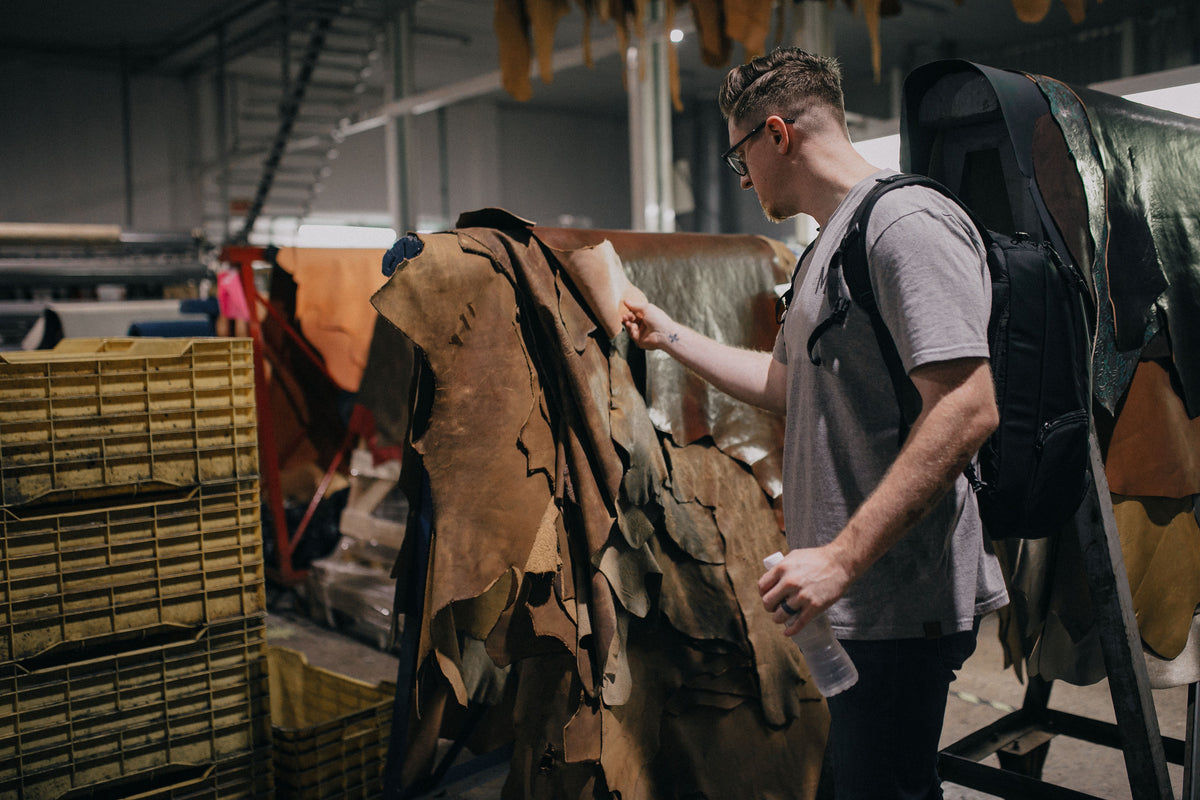
Leather-making dates back over 7,000 years, with early evidence found in prehistoric caves and burial sites. Early humans hunted animals not just for food but also to use their skins for clothing, footwear, and shelter.
Why Was Leather Essential for Early Humans?
- Protection from harsh weather – Animal hides provided insulation in cold climates.
- Durability – Unlike plant-based fabrics, leather could last for years.
- Flexibility & Adaptability – Leather was easy to shape into tools, ropes, and armor.
- Water Resistance – Tanning techniques made leather more resistant to moisture.
The First Leather-Making Techniques
The earliest leather production involved natural methods:
- Air Drying: Hides were stretched and left in the sun to harden.
- Smoking: Early civilizations smoked hides over fires to prevent rotting.
- Brain Tanning: Animal brains were used to soften leather, making it more wearable.
- Vegetable Tanning: The Egyptians and Mesopotamians pioneered the use of tree bark to tan leather.
2. Leather in Ancient Civilizations: From Function to Fashion
As societies advanced, leather evolved from a functional material into a symbol of power and prestige.
Leather in Different Ancient Cultures
- Egyptians (3,000 BCE) – Used leather for sandals, armor, horse saddles, and decorative items.
- Romans (1,000 BCE – 476 AD) – Soldiers wore leather sandals (caligae) and armor for durability.
- Chinese Dynasties – Developed lacquered leather to make it more artistic and water-resistant.
- Native Americans – Used brain-tanned leather for soft, lightweight clothing and moccasins.
Leather as a Status Symbol
- In Medieval Europe, only nobility and warriors had access to high-quality leather items.
- Religious leaders and scholars preserved texts in leather-bound manuscripts.
- Royal families and elites decorated their furniture with embossed leather.
3. The Middle Ages: Advancements in Leather Craftsmanship
The Middle Ages (500 – 1500 AD) marked a turning point in leather production, as craftsmanship improved and leatherworking guilds were established.
How Leather Became More Refined
- Vegetable Tanning: The process of soaking hides in tree bark extracts to create high-quality leather.
- Oil Tanning: A technique used to create soft leather for gloves, bags, and clothing.
- Dyeing and Embossing: Leather was dyed with natural pigments and embossed with intricate designs.
Leather’s Role in Everyday Life
- Shoes & Boots: Leather became the standard for durable footwear.
- Bookbinding: The first leather-bound books were created, preserving knowledge for centuries.
- Saddles & Armor: Knights and soldiers relied on leather armor and saddles for battle.
4. The Industrial Revolution: Leather Goes Global
The 18th and 19th centuries saw a boom in leather production as technological advancements made it cheaper, faster, and more accessible.
Key Innovations in Leather Production
- Chrome Tanning (1858): A chemical process that made leather more resistant and pliable.
- Steam-Powered Machinery: Mass production of leather goods became possible.
- Standardized Leather Products: Leather gloves, belts, and wallets became everyday essentials.
Leather’s Impact on Fashion and Industry
- Workwear & Military Gear – Leather jackets, boots, and gloves were essential for workers and soldiers.
- Luxury Accessories – The birth of high-end leather goods from brands like Hermès and Louis Vuitton.
- Automobiles & Aviation – Leather became the premium choice for car interiors and pilot gear.
5. Modern Leather: Innovation, Sustainability, and Alternatives
Today, leather is still widely used, but concerns over environmental impact and animal welfare have led to the development of sustainable alternatives.
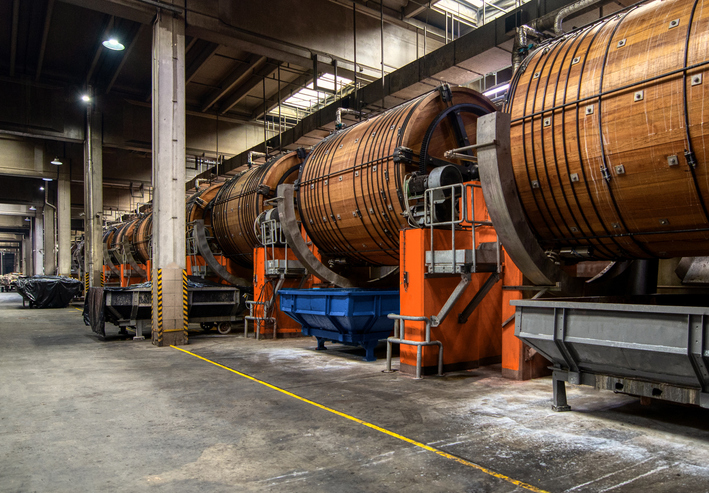
Types of Leather in the Modern Market
- Genuine Leather – Made from real animal hides, durable and long-lasting.
- Faux Leather (Vegan Leather) – Synthetic alternatives like PU leather, mushroom leather, and cactus leather.
- Recycled Leather – Repurposed from old leather products to reduce waste.
The Future of Leather
- Eco-Friendly Tanning: Using natural dyes and non-toxic chemicals.
- Sustainable Leather Brands: Ethical companies using plant-based or lab-grown leather.
6. Frequently Asked Questions (FAQs)
1. When was leather invented?
Leather-making dates back to 7,000 BCE, with early humans using natural tanning techniques.
2. What is the oldest leather artifact?
An ancient leather shoe, estimated to be over 5,500 years old, was uncovered in Armenia, offering a glimpse into early craftsmanship.
3. How did ancient people tan leather?
They used tree bark, oils, and animal brains to preserve hides.
4. Is real leather biodegradable?
Yes, natural leather decomposes over time, unlike synthetic materials.
5. What distinguishes real leather from PU leather?
PU leather is synthetic, while real leather comes from animal hides.
6. What is vegetable-tanned leather?
It’s leather processed using plant extracts instead of chemicals.
7. Why is leather considered luxurious?
Leather is durable, stylish, and associated with prestige.
8. How long does real leather last?
With proper care, genuine leather can last decades.
9. What is the softest type of leather?
Lambskin leather is known for its softness and flexibility.
10. Can leather be waterproof?
Treated leather can resist water, but untreated leather absorbs moisture.
11. What is bonded leather?
A blend of repurposed leather pieces and modern synthetics.
12. Is vegan leather durable?
High-quality vegan leather can be durable, but not as long-lasting as real leather.
13. What industries use leather today?
Fashion, furniture, automotive, and technology.
14. Can leather be recycled?
Yes, leather scraps are repurposed into new products like bags and shoes.
15. Are there any symbolic meanings associated with leather?
Throughout history, leather has symbolized power, status, and protection, varying across different cultures.
Conclusion: The Enduring Legacy of Leather
Throughout history, leather has played a crucial role in shaping human civilization. From ancient survival gear to modern fashion statements, it has remained a symbol of durability, craftsmanship, and luxury. Over the centuries, leather has adapted to changing needs, proving its versatility in various industries.
Today, with growing environmental awareness, the industry is shifting towards eco-friendly tanning methods, plant-based alternatives, and sustainable leather production. These innovations ensure that leather continues to thrive while meeting modern ethical standards.
Whether in fashion, furniture, or automotive design, leather remains deeply woven into our lives. As industries evolve, leather’s legacy will continue, blending tradition with modern sustainability.
Read More: For a deeper dive into leather’s history, check out our detailed article:
➡️ History of Leather: From Ancient Times to Modern Fashion Trends