How Leather Jackets Are Made: Step-by-Step Manufacturing Process Explained
Did you know? Leather jackets are among the most sought-after fashion classics, with the worldwide leather products industry valued at $468 billion in 2023, according to Statista. This shows that, even in the age of fast fashion, buyers still value the heritage and craftsmanship behind genuine leather.
A leather jacket isn’t just clothing, it’s a timeless style icon worn by rebels, celebrities, and fashion lovers alike. But how does raw animal hide transform into a jacket that can last for decades?
In this guide, we’ll walk you through the entire leather jacket manufacturing process step by step, from sourcing hides to the final stitch. Along the way, we’ll answer FAQs like how long it takes to make one and what sets handmade jackets apart from mass-produced versions.
The Origins of Leather Jacket Making
Leather jackets go back much further than fashion magazines. Leather clothing has been valued for its warmth, protection, and durability for thousands of years. However, the early 1900s saw the invention of the trendy jacket that we know today:
- World War I & II: Worn by aviators and soldiers for toughness and insulation.
- 1920s–1950s: The biker jacket rose in fame, thanks to Schott NYC and Hollywood legends like Marlon Brando and James Dean.
- 1970s–1990s: Adopted by rockers, punks, and street style rebels.
- Today: Reinvented each season by luxury houses and handmade by skilled artisans.
From battlefield gear to fashion icon, the leather jacket has become a symbol of heritage, resilience, and self-expression.
Explore More: For a deeper dive, check out our detailed blog on the history of leather jackets .
Materials Used in Leather Jacket Manufacturing
The first step in understanding how a leather jacket is made is knowing what goes into it. Every stitch, zipper, and lining choice contributes to the jacket’s quality, durability, and overall style.
1. Types of Leather
Not all leather is created equal and the type of hide used plays the biggest role in determining the feel and longevity of a jacket. Common types include:
- Cowhide: Strong, durable, and resistant to wear perfect for rugged biker jackets.
- Lambskin: Soft, supple, and lightweight ideal for luxury fashion pieces.
- Goatskin: Naturally grainy texture, offering both durability and flexibility.
- Buffalo hide: Tough, heavy-duty, and built to withstand years of wear.
- Suede/Nubuck: Softer finishes, valued for their texture but less resistant to moisture.
2. Linings
Linings add comfort, insulation, and breathability:
- Polyester or Nylon: Lightweight and cost-effective, common in everyday jackets.
- Cotton: Breathable and comfortable for warmer climates.
- Quilted Linings: Provide warmth in winter wear.
- Silk or Satin: Premium options for luxury custom jackets.
Quick takeaway: Lining materials ensure the jacket isn’t just stylish but also wearable in different weather conditions.
3. Hardware and Details
Small details make a big difference:
- Zippers: YKK and RiRi are industry leaders known for smooth operation and durability.
- Buttons and Snaps: Usually made from stainless steel or brass for strength.
- Stitching Threads: Heavy-duty polyester or nylon threads keep the jacket long-lasting.
- Belts, Buckles, and Rivets: Add both function and aesthetic style.
Step-by-Step Leather Jacket Manufacturing Guide and Process
Step 1: Preparing the Leather
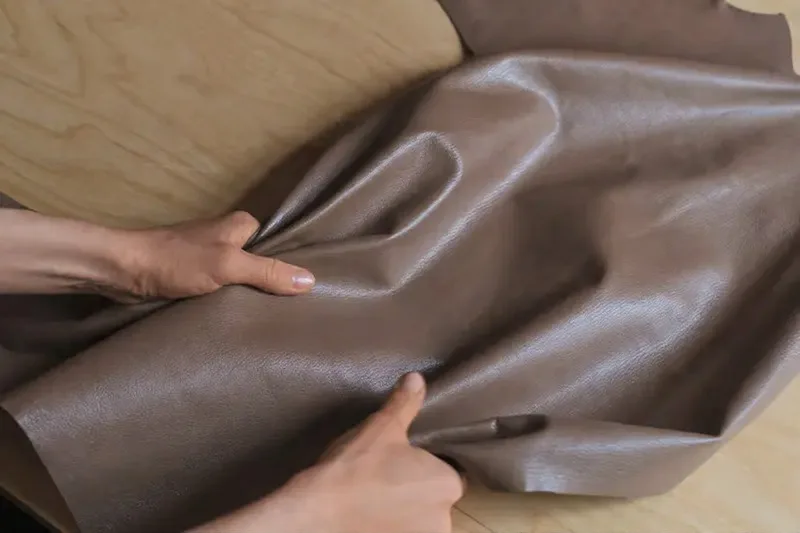
The very first step in the leather jacket manufacturing process is tanning the leather. Raw animal hides are treated to prevent rotting and to enhance durability. The two most common tanning methods are:
- Vegetable Tanning: Uses natural plant-based materials; results in a stiffer, eco-friendly leather.
- Chrome Tanning: A faster, modern technique that gives the leather a softer, more flexible finish.
After tanning, the hides go through finishing treatments like dyeing, waxing, or polishing to achieve the desired color, texture, and shine. This step ensures that your custom leather jacket is not only stylish but also long-lasting.
Step 2: Leather Jacket Design & Pattern Making Process
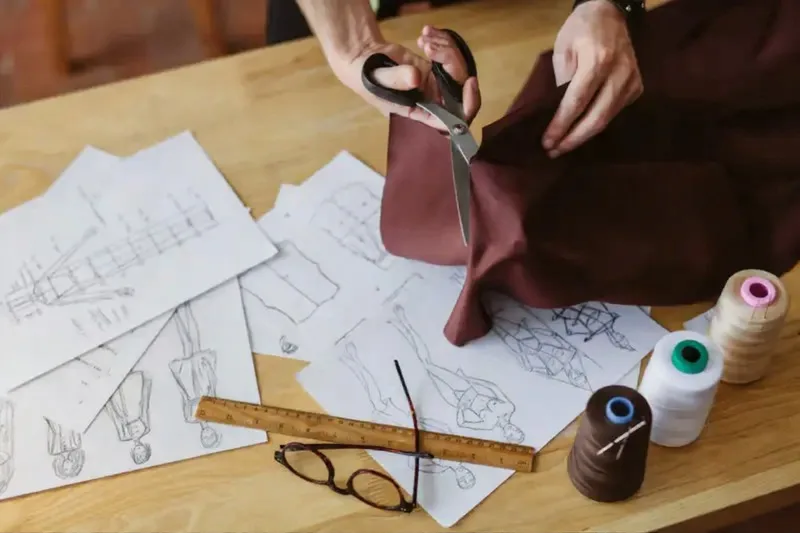
Once the leather is ready, designers create sketches and patterns based on the desired style, whether it’s a classic biker jacket, bomber jacket, or tailored custom fit.
- Pattern Making: Designers draft patterns on paper or digitally to define every panel of the jacket.
- Customization Options: Customers choosing a custom leather jacket can decide on collar style, zipper type, lining, and pocket placement.
This stage is where fashion meets function balancing aesthetic appeal with wearability.
For more detail of leather jacket check out our collection.
Step 3: Cutting the Leather Pieces
With patterns finalized, leather cutting begins. This is one of the most crucial stages of the step-by-step leather jacket process.
- Skilled artisans carefully cut leather panels using hand tools or precision cutting machines.
- To prevent flaws, they must take into consideration the stretchability, scars, and natural grain of leather.
- For premium jackets, each piece is hand-cut to maintain a unique, artisanal touch.
Step 4: Stitching & Assembly
This is where the jacket starts to take shape. Professional artisans stitch the chopped pieces together.
- Thick leather is sewn by heavy-duty industrial sewing machines.
- Multiple stitching techniques (single, double, or reinforced seams) provide strength.
- Lining material (silk, satin, or polyester) is added inside for comfort and breathability.
At this stage, the jacket looks almost complete but still requires final detailing.
Step 5: Adding Details (Zippers, Lining, Collars, Pockets)
What makes a leather jacket truly stand out is its detailing. From a rugged biker jacket with chunky zippers and studs to a minimalist sleek design, the finishing touches set the tone.
- Zippers & Buttons: High-quality metal hardware is used for durability.
- Collar styles include mandarin (contemporary), ribbed (bomber), and wide lapel (biker).
- Pockets: Functional and stylish inside hidden pockets or multiple outer zips.
- Lining: Custom options for warmth, luxury, or lightweight wear.
Step 6: Quality Control & Finishing Touches
A leather jacket must pass stringent quality inspections before it is released from the workshop.
- Seams are inspected for strength.
- Leather is checked for scratches, uneven coloring, or weak spots.
- Jackets are ironed or polished for a refined final look.
High-end brands also add branding tags, packaging, and care instructions before shipping.
How Long Does It Take to Make a Leather Jacket?
The time required to make a leather jacket depends on whether it’s handmade or mass-produced.
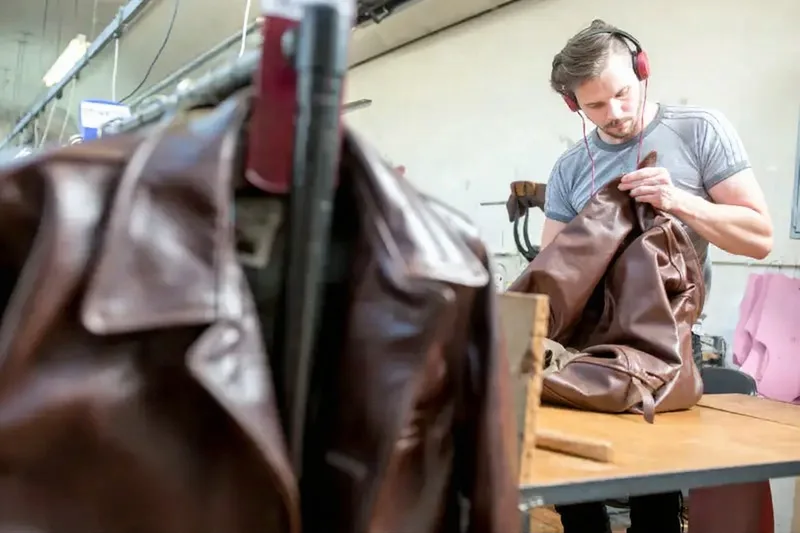
- A custom leather jacket (fully tailored, hand-cut, and stitched) can take anywhere from 2 to 6 weeks, depending on the complexity of the design and availability of materials.
- A factory-produced leather jacket, on the other hand, can be made within 4–8 hours using advanced machinery and assembly lines.
This is why customers who order bespoke jackets often ask:
How much time does it take to create a personalized leather jacket?” The answer is: it takes weeks of skilled labor, unlike mass-market jackets that can be finished in a single day.
Quick Summary: Handmade jackets = slower but unique. Factory jackets = faster but less personal.
Handmade vs. Mass-Produced Leather Jackets: What’s the Difference?
When buying a leather jacket, the choice often comes down to handcrafted vs. mass-produced. This decision affects not just price but also quality, durability, and uniqueness.
Handcrafted Leather Jackets
Made by skilled artisans, each piece is cut, stitched, and finished with care.
- Unique: Small variations make every jacket one of a kind.
- Durable: Strong seams and premium finishing ensure long life.
- Value: Higher price, but a true investment piece.
Mass-Produced Leather Jackets
Machine-made for speed and affordability.
- Uniform: Jackets look the same with little personalization.
- Less Durable: Prone to wear and tear faster.
- Budget-Friendly: Lower cost but shorter lifespan.
Takeaway: Select handcrafted for durability and quality. For quick, budget fashion, mass-produced works.
Sustainability and Modern Innovations in Leather Jacket Manufacturing
Today’s fashion world is rapidly moving toward eco-conscious choices, and leather jacket manufacturing is no exception.
Eco-Friendly Tanning Methods
Traditional chrome tanning uses heavy chemicals that harm the environment. Many modern brands are switching to vegetable tanning or chrome-free tanning, which is safer and more sustainable. See our guide on eco-friendly leather substitutes and sustainable leather for more information.
Waste Management & Upcycling
Manufacturers now use leftover leather scraps to create smaller accessories like wallets and belts, reducing waste. Upcycled leather jackets are also gaining popularity among eco-conscious buyers.
Future Trends
Innovations such as mushroom leather and lab-grown leather are gaining traction. Consumer demand for eco-fashion is pushing luxury brands to adopt greener methods and build transparent supply chains that reveal how and where jackets are made.
Common Myths About Leather Jacket Production
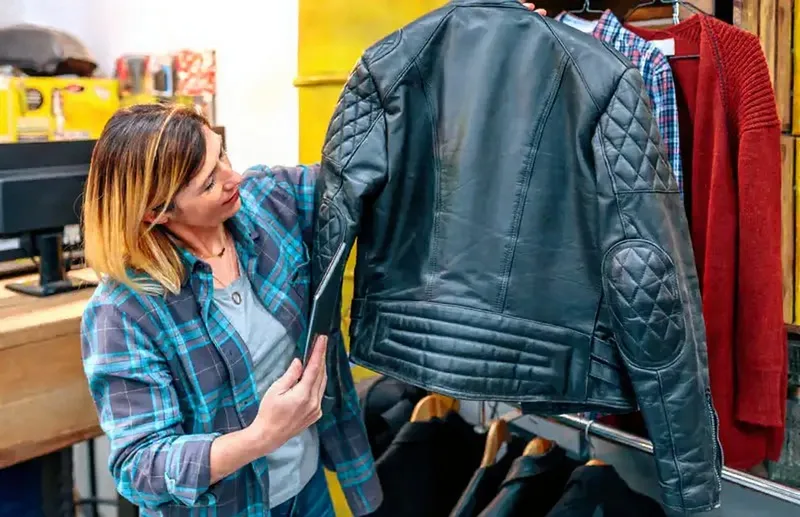
Leather jackets carry plenty of misconceptions that often mislead buyers. One widespread myth is that all jackets use the same type of leather. In truth, there are clear differences: full-grain, top-grain, and genuine leather each vary in durability, finish, and price.
Another myth is that jackets manufactured by machines are typically of low quality. While handmade pieces are known for artistry, modern machines improve precision in areas like stitching and cutting. The best results often come from combining both techniques.
The final myth is that real leather lasts forever without needing to be maintained. Although leather is durable, it still needs conditioning and protection. Studies show that proper maintenance can extend a jacket’s lifespan by up to 50% longer, proving that care is just as important as the purchase itself.
Debunking these myths helps buyers set realistic expectations and recognize real value.
Why the Leather Jacket Making Process Matters for Buyers
Buyers gain a major advantage when they understand how a leather jacket is made. Knowing the difference between genuine vs. full-grain leather helps avoid paying premium prices for lower-grade materials. Likewise, awareness of hand-stitching vs. mass-production shortcuts reveals whether a jacket is built for long-term use or quick turnover.
This knowledge also makes it easier to spot authentic craftsmanship: clean stitching, natural grains, and well-aligned panels signal quality, while synthetic coatings often indicate imitation.
Ultimately, understanding the manufacturing process isn’t just about curiosity, it empowers buyers to choose jackets that combine style, durability, and lasting value.
FAQs:
What components go into making a leather jacket?
Most jackets use cowhide, sheepskin, or goatskin. Premium brands also experiment with unique hides and sustainable alternatives.
How long does it take to make one?
Depending on design and craftsmanship, it can take anywhere from 10 hours to several days to complete a single jacket.
Is handmade leather better than machine-made?
Handmade jackets usually offer better durability, attention to detail, and uniqueness, though they come at a higher price.
What’s the difference between real leather and PU leather?
Real leather is natural, breathable, and long-lasting, while PU leather is synthetic, affordable, and easier to maintain but less durable.
Final Thoughts: From Hide to Icon
A leather jacket is more than simply a piece of apparel; it’s a combination of history, craftsmanship, and style. After learning how it’s made, explore how to style a leather jacket to match your personality and wardrobe. From raw hides to timeless icons, each jacket reflects the work of skilled artisans and evolving innovations. Whether you choose handmade luxury or mass-produced practicality, understanding the process ensures you buy a jacket that matches your values, lifestyle, and long-term expectations.